Turn Your Visa Refusal Into a Stronger Application
Receiving a Canada visa refusal can be disappointing, especially after investing time, money, and effort into your immigration journey. However, a refusal does not always mean the end of your plans to visit, study, work, or settle in Canada.
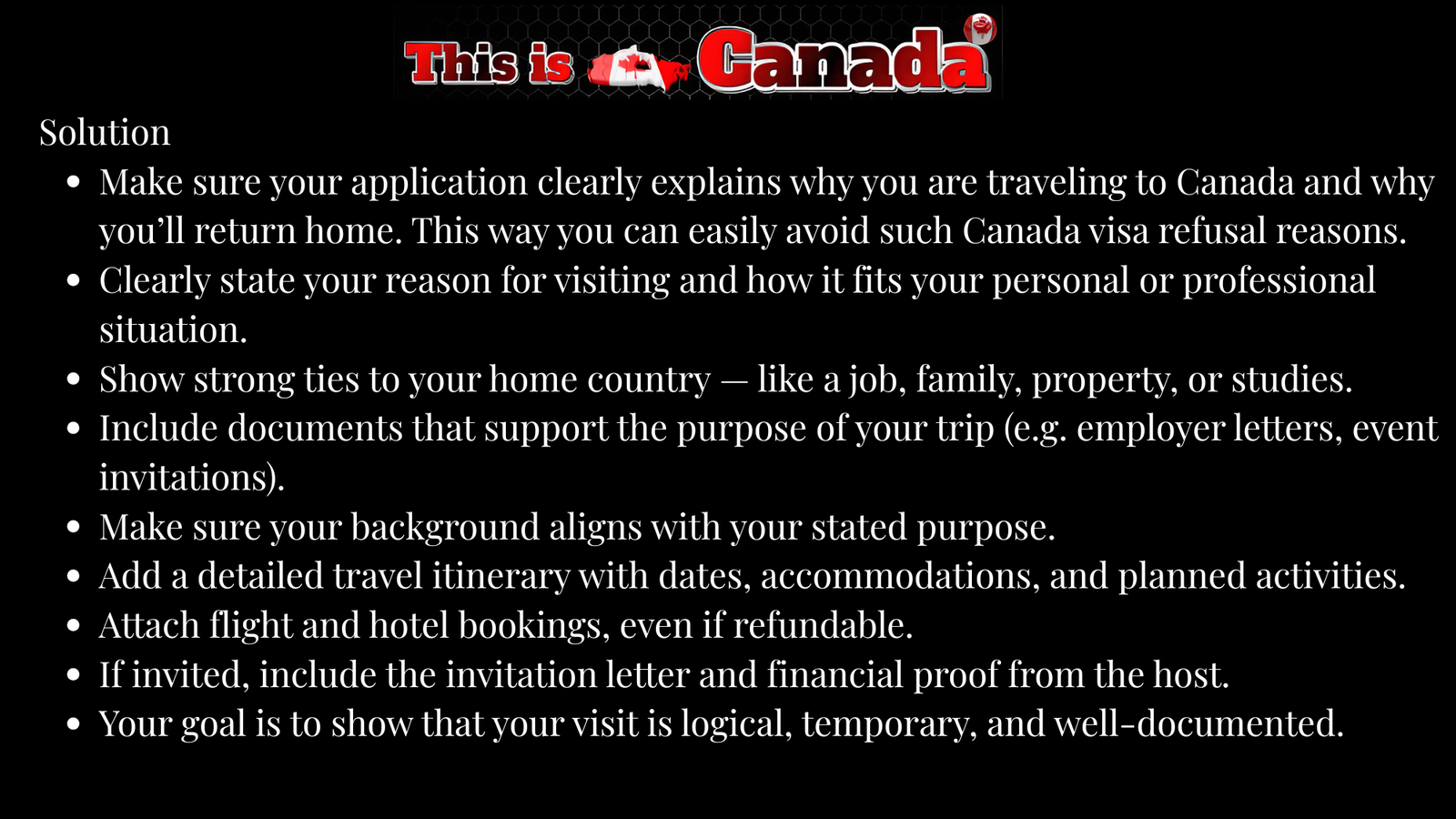
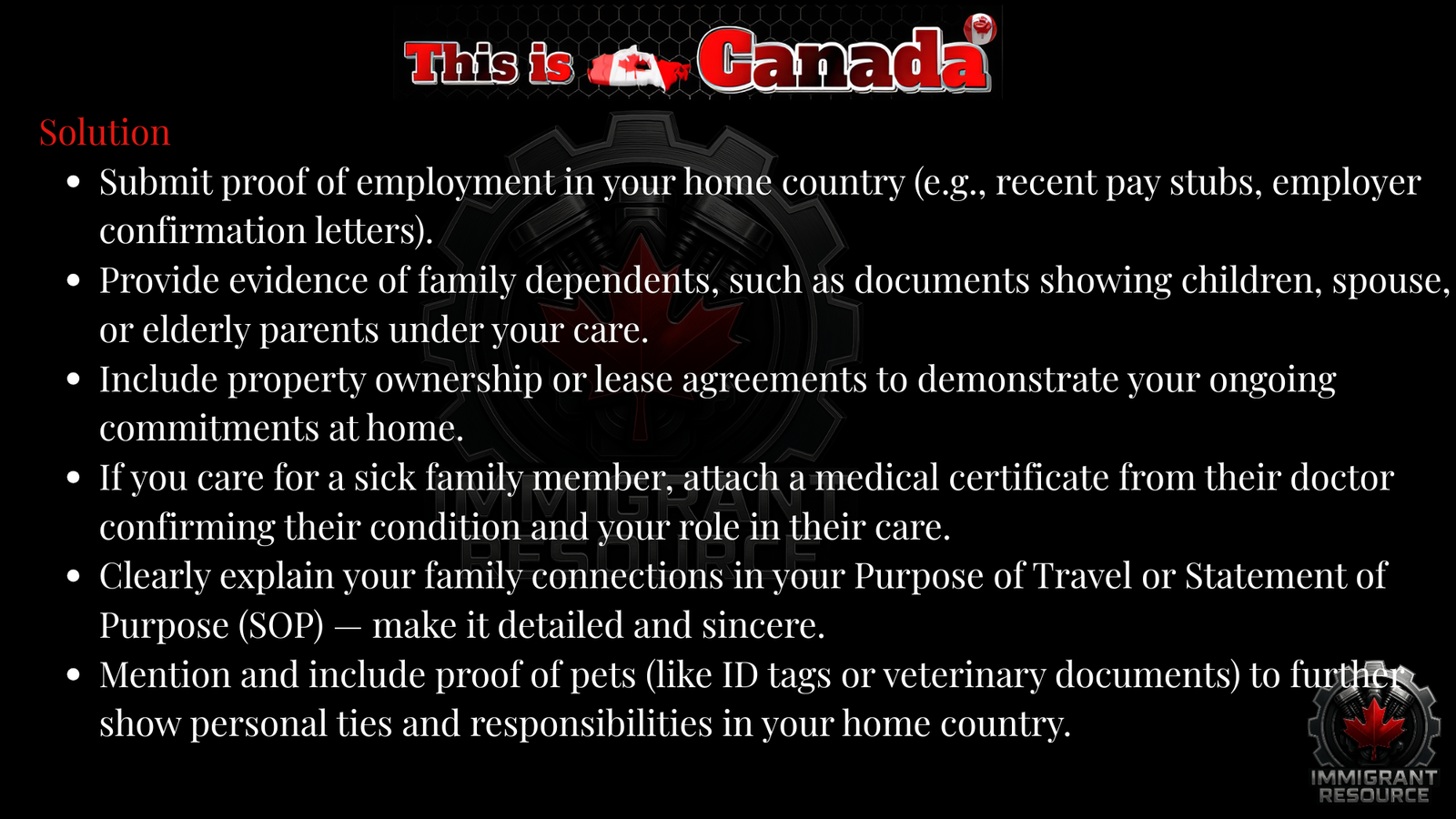
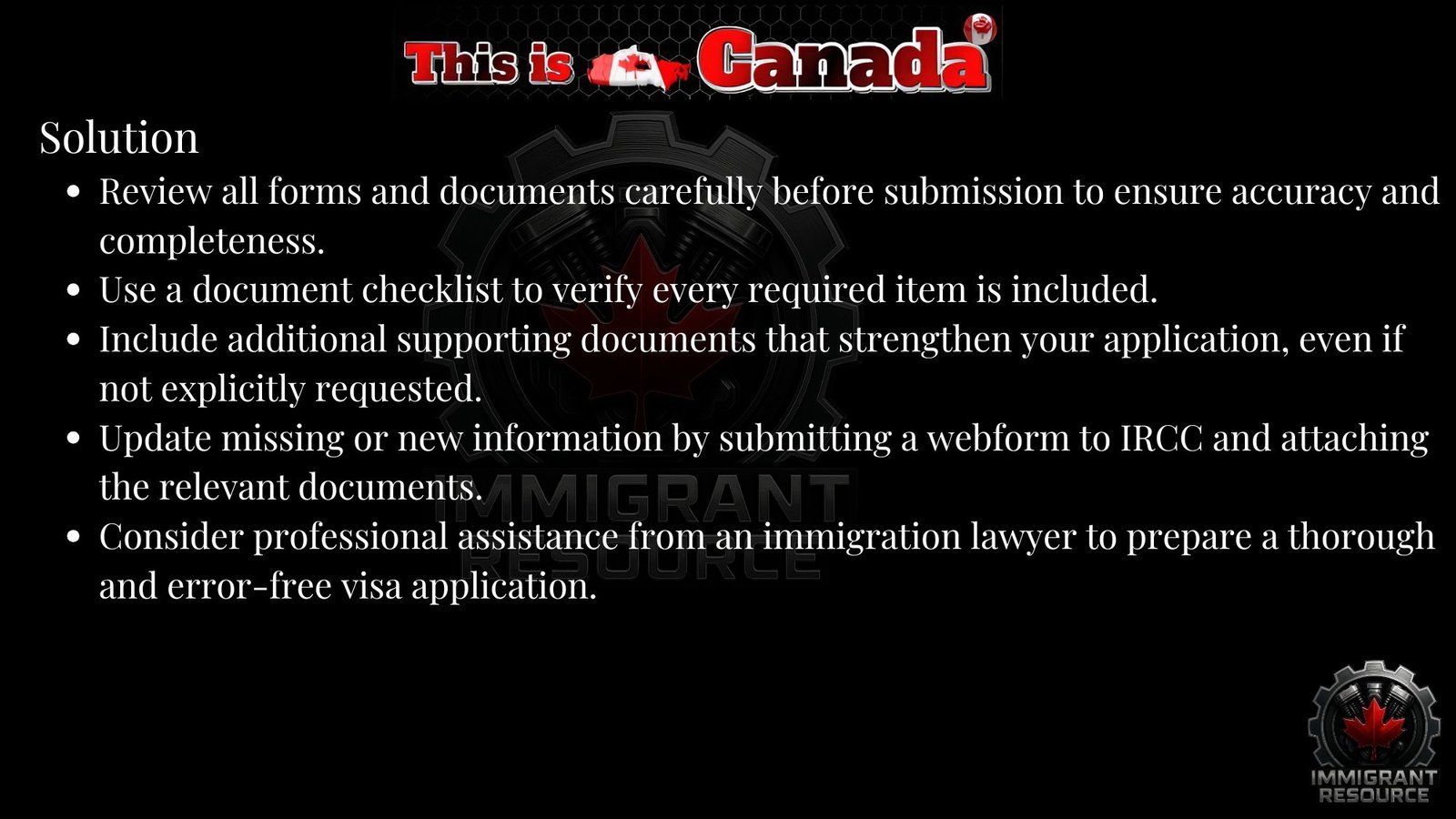
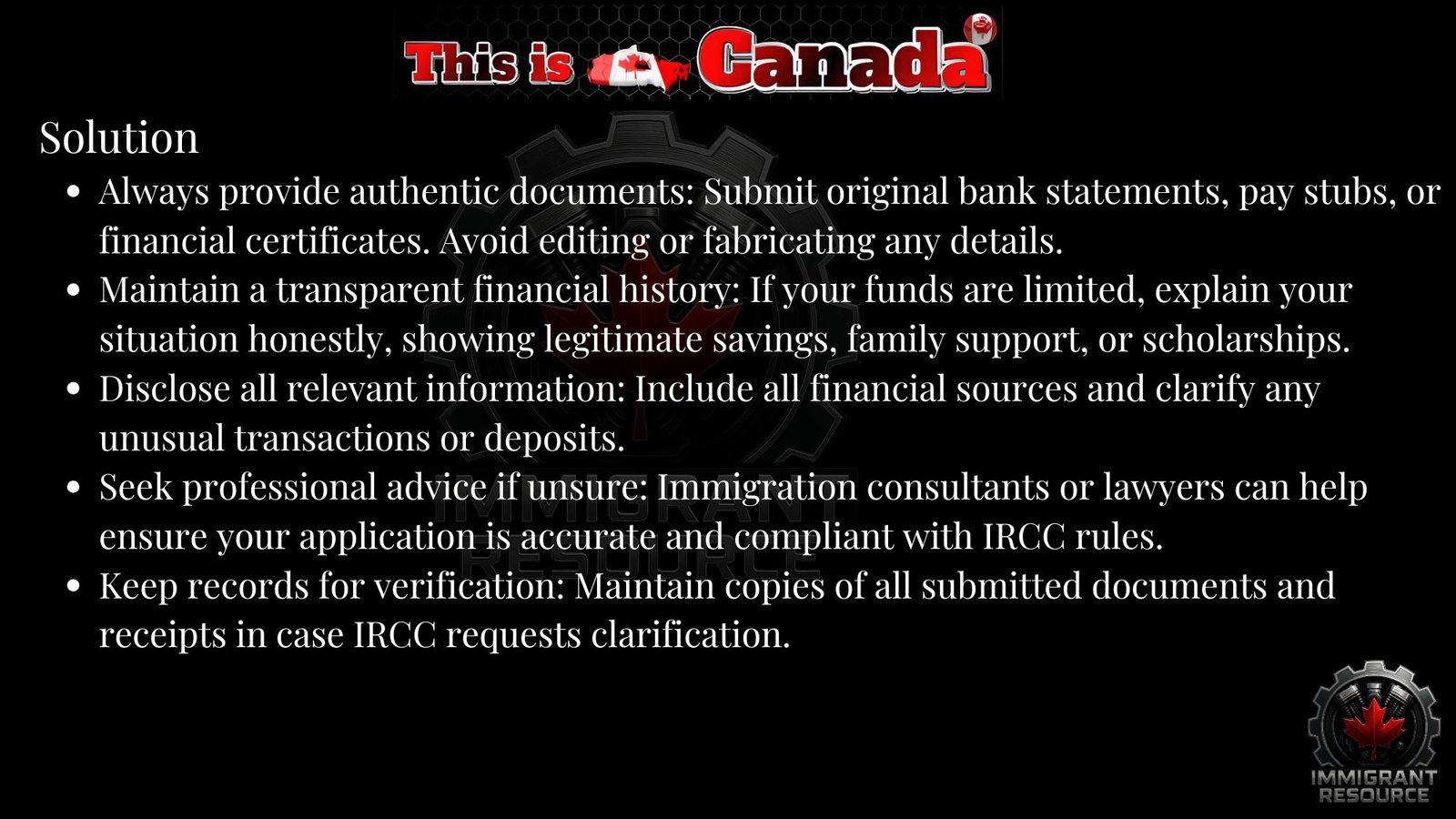
A visa refusal provides important information about the concerns raised by the immigration officer. By understanding the reasons behind the decision, addressing weaknesses, and preparing stronger supporting evidence, you can improve your chances when submitting a new application.
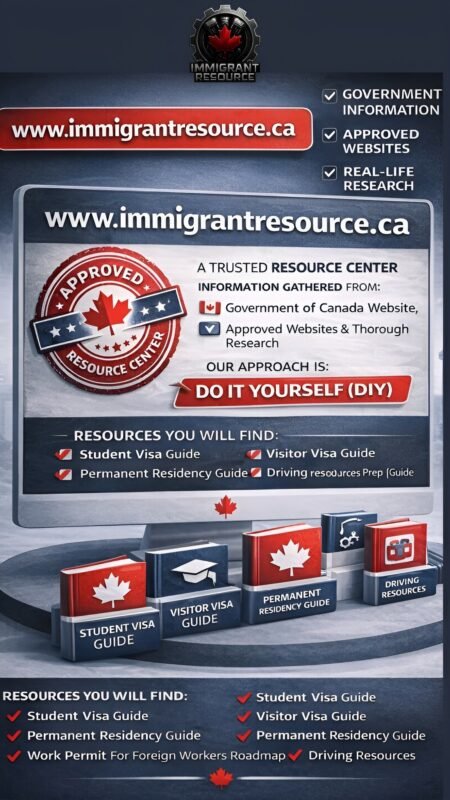
At ImmigrantResource.ca, we help applicants understand refusal reasons, interpret refusal letters, identify areas for improvement, and prepare better-informed applications.
Your journey does not end with a refusal — the next application starts with better preparation.
What Is a Canada Visa Refusal?
A Canada visa refusal occurs when an immigration officer determines that an applicant has not demonstrated that they meet the requirements of their specific immigration program.
A refusal can happen for different types of applications, including:
✓ Visitor Visa ✓ Study Permit ✓ Work Permit ✓ Super Visa ✓ Permanent Residence Applications
Common concerns may include:
🔴 Insufficient supporting documents
🔴 Weak financial evidence
🔴 Unclear purpose of travel
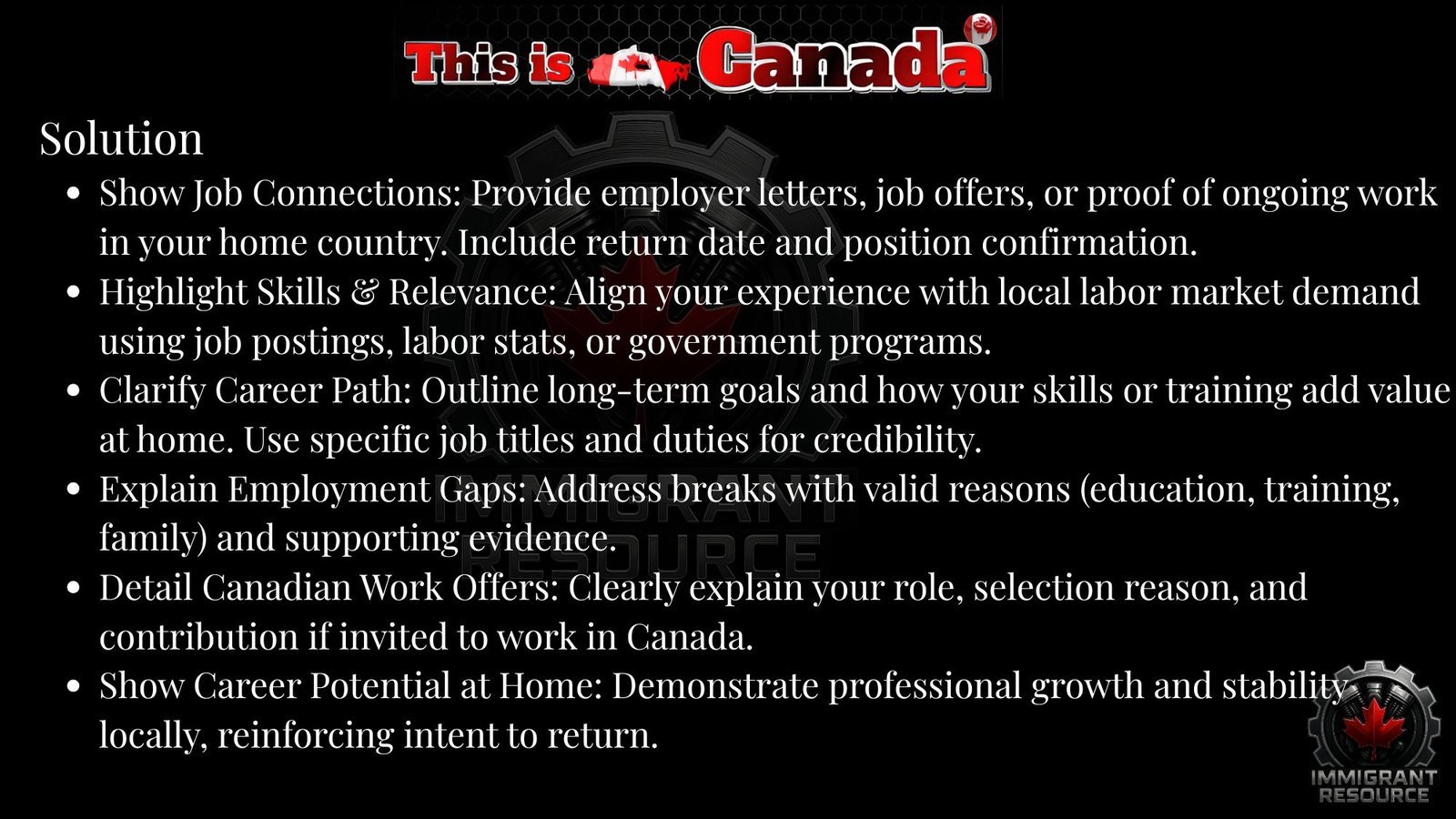
🔴 Concerns about returning home
🔴 Incomplete application information
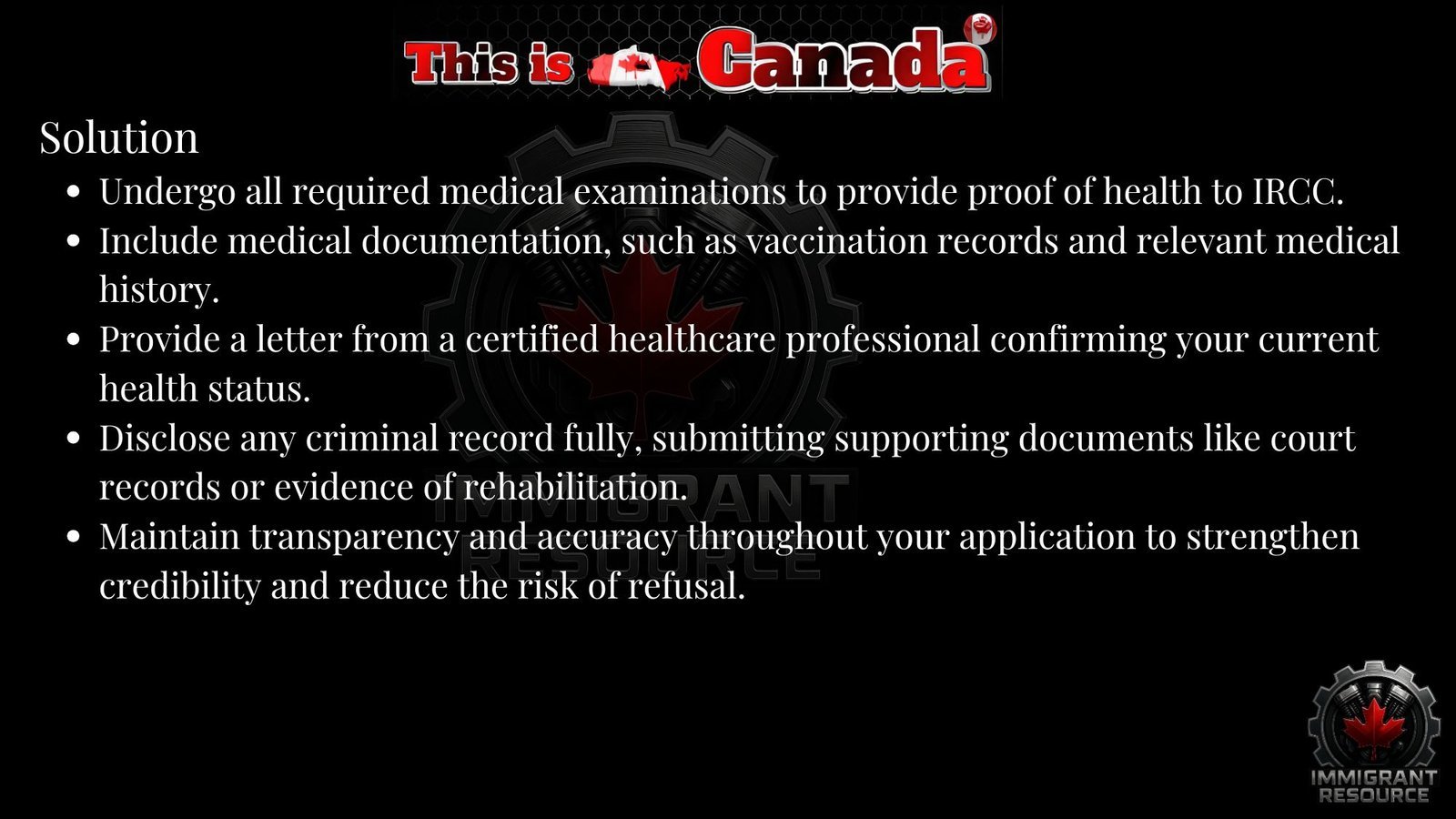
🔴 Failure to meet eligibility requirements
Understanding the refusal reason is the first step toward improvement.
How ImmigrantResource.ca Helps After a Visa Refusal
A refusal can be confusing without proper guidance.
At ImmigrantResource.ca, we provide resources to help you:
✓ Understand refusal reasons ✓ Identify application weaknesses ✓ Prepare stronger supporting documents ✓ Learn from common mistakes ✓ Make informed immigration decisions
Our goal is to help applicants move forward with better preparation and confidence.