Protection, Hope &
A New Beginning
Learn about Canada's refugee and asylum pathways, eligibility requirements, and protection programs designed to help eligible individuals rebuild their lives in safety.
Benefits of Express Entry
During this time, you may be allowed to apply for:
🔴 A work permit
🔴 Interim health coverage
🔴 Social support services
Government-Assisted Refugees (GAR)
GARs are referred by UNHCR or a referral partner.
The Government of Canada funds their:
Housing
Basic living expenses
Health coverage
Settlement support
Support lasts up to 12 months or until the person becomes self-sufficient.
Protection Pathways for People Seeking Safety in Canada
Canada is internationally recognized for providing protection to individuals who are unable to return to their home countries because of persecution, armed conflict, violence, or serious human rights violations. Through its refugee and asylum system, Canada offers eligible individuals the opportunity to seek protection and rebuild their lives in safety.
There are different pathways available depending on where you are when seeking protection. Some individuals make an asylum claim after arriving in Canada, while others are referred for refugee resettlement from outside the country through recognized organizations.
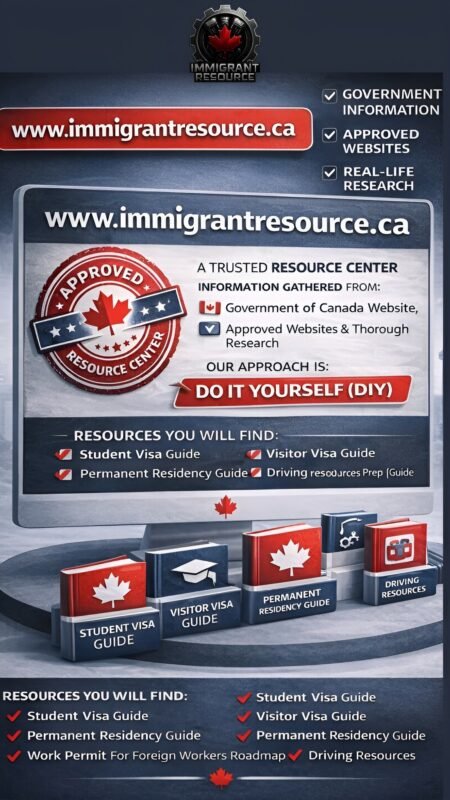
At ImmigrantResource.ca, we provide clear, reliable information to help you understand Canada’s refugee and asylum system, eligibility requirements, application processes, and available protection pathways.
Understanding Canada's Refugee & Asylum System
Canada provides protection through two primary pathways:
Refugee Claim (Asylum)
For individuals who are already in Canada or who arrive at a Canadian port of entry and cannot safely return to their home country.
Refugee Resettlement
For individuals outside Canada who have been identified and referred for protection by recognized organizations or private sponsors.
Each pathway has its own eligibility requirements and assessment process.
Refugee Protection in Canada
Canada protects individuals who have a well-founded fear of persecution or who face serious risks if they return to their home country.
These risks may include:
✓ Persecution based on race
✓ Religion
✓ Nationality
✓ Political opinion
✓ Membership in a particular social group
✓ Armed conflict or civil war
✓ Serious human rights violations
Every refugee claim is assessed individually based on the applicant’s personal circumstances and applicable Canadian law.

Pathway 1: Claiming Asylum Inside Canada
If you are already in Canada and fear returning to your home country, you may be eligible to make a refugee claim.
Your claim must first be assessed to determine whether it is eligible for referral to the Immigration and Refugee Board of Canada (IRB).
Who May Be Eligible?
Eligibility depends on your individual circumstances.
Generally, applicants must:
✓ Be physically present in Canada
✓ Demonstrate a need for protection
✓ Meet the legal requirements for making a refugee claim
Not every individual is eligible to make a refugee claim.
Certain previous immigration decisions or legal circumstances may affect eligibility.
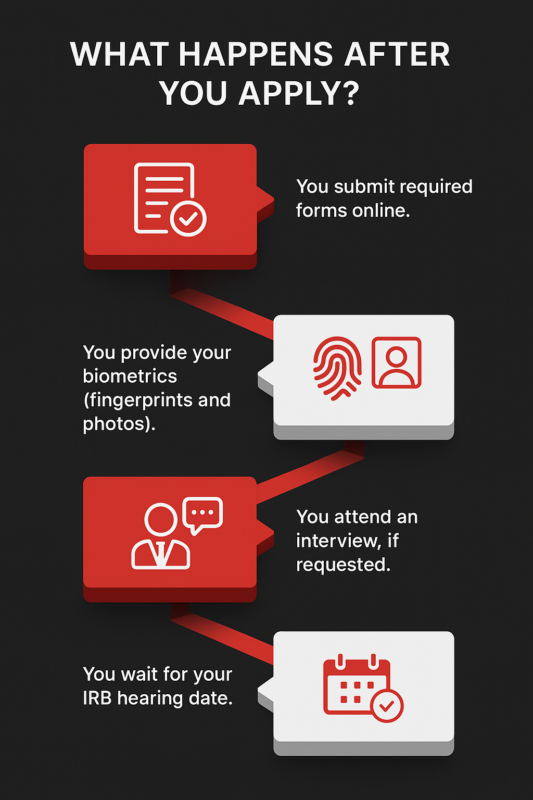
What Happens After You Submit Your Claim?
If your claim is found eligible:
✓ Your application is referred to the Immigration and Refugee Board (IRB)
✓ A hearing is scheduled
✓ An independent decision-maker reviews your case
✓ A decision is made based on Canadian refugee law and the evidence provided
If your claim is not eligible, other immigration processes may apply.
Pathway 2: Claiming Asylum at a Canadian Port of Entry
Individuals arriving at a Canadian airport, land border, or seaport may indicate that they wish to seek refugee protection.
During the initial assessment, border officials may request:
✓ Identity documents
✓ Travel documents
✓ Biometrics
✓ Information explaining why protection is being requested
If eligibility requirements are met, the claim may be referred to the Immigration and Refugee Board for a full assessment.
Safe Third Country Agreement (STCA)
Canada and the United States operate under the Safe Third Country Agreement (STCA), which affects some refugee claims made at land border crossings.
Depending on your circumstances, the agreement may limit your ability to make a refugee claim when arriving from the United States.
However, certain exceptions may apply, including situations involving:
✓ Eligible family relationships in Canada
✓ Unaccompanied minors
✓ Certain valid travel or immigration documents
Eligibility under the STCA is assessed individually.
Pathway 3: Refugee Resettlement From Outside Canada
Canada also provides protection to refugees who are outside Canada and unable to return safely to their home country.
Unlike asylum claims made inside Canada, refugee resettlement generally requires a referral through an approved organization.
Applicants cannot normally submit a refugee resettlement application directly to Canada without a recognized referral.
Who May Refer a Refugee?
Referrals commonly come from organizations such as:
✓ United Nations Refugee Agency (UNHCR)
✓ Designated referral organizations
✓ Private sponsorship groups
Refugee Resettlement Categories
Canada’s refugee resettlement system includes different protection categories based on individual circumstances.
These may include individuals who:
✓ Have a well-founded fear of persecution
✓ Are displaced because of conflict or war
✓ Cannot safely return to their home country
✓ Face ongoing human rights abuses
Each case is assessed according to Canadian immigration legislation and international protection obligations.
Canada Refugee & Asylum Pathways
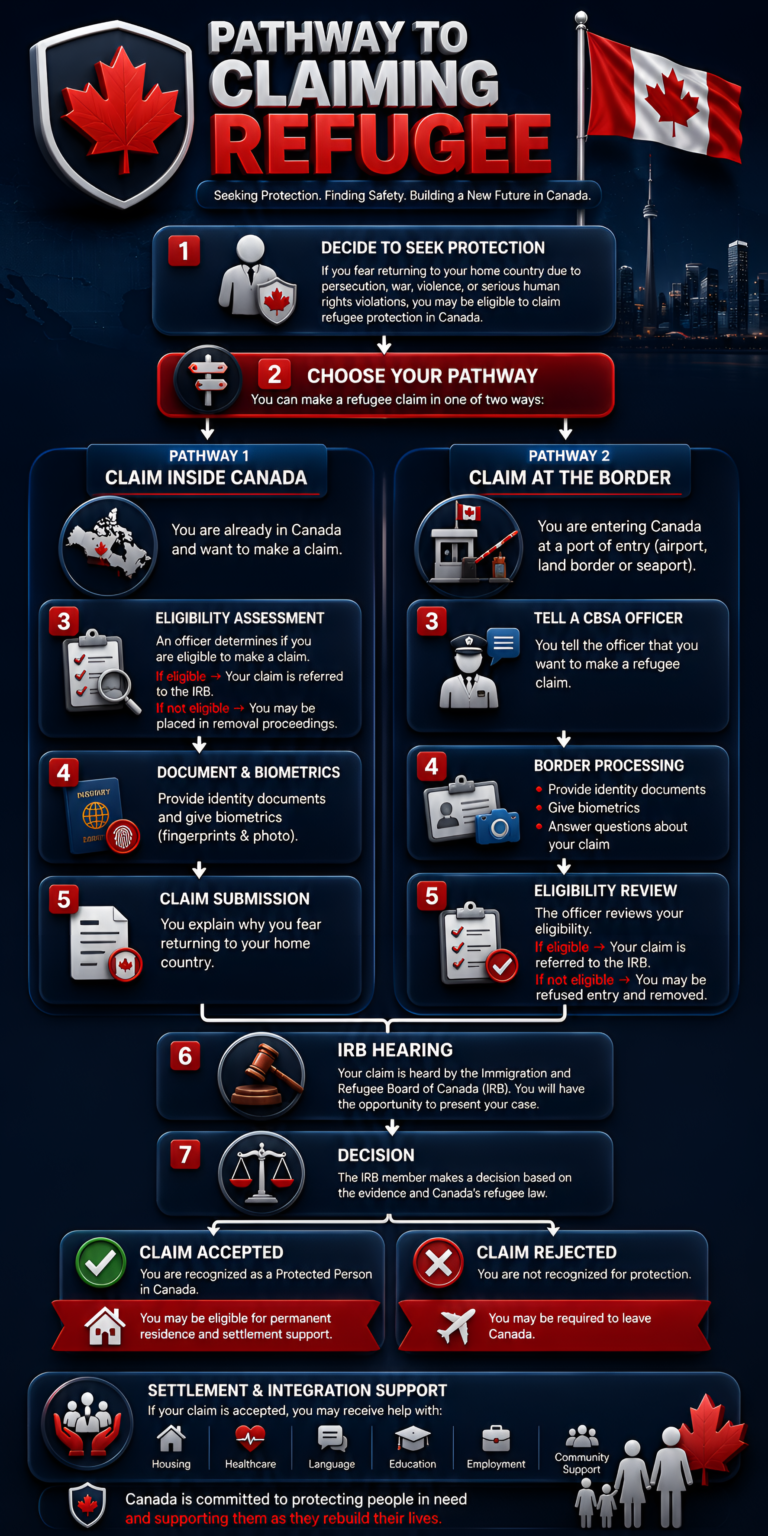
Canada’s refugee protection system offers different pathways for individuals who are unable to return safely to their home countries because of persecution, conflict, or serious human rights violations. Depending on your circumstances, you may seek protection by making an asylum claim after arriving in Canada or at a Canadian port of entry, or through refugee resettlement from outside Canada following a referral by an approved organization. Every application is assessed individually based on Canadian immigration law, with successful applicants gaining access to protection and settlement support to help them safely rebuild their lives in Canada.
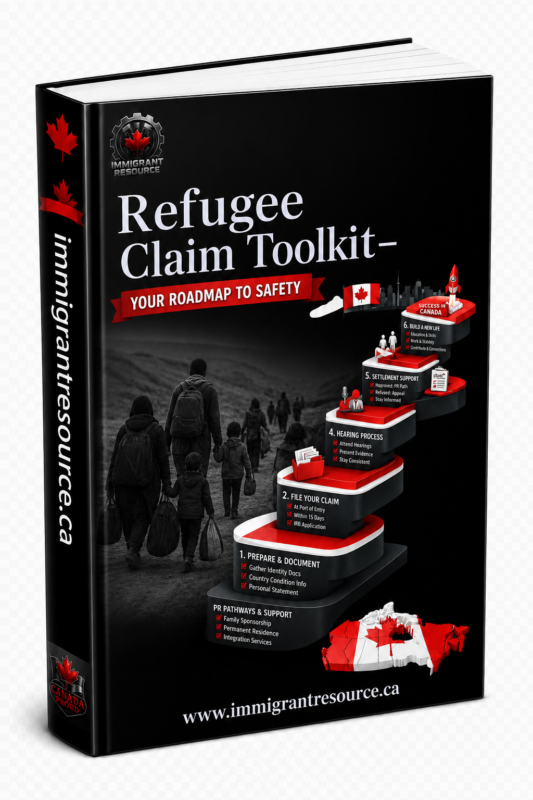
Learn More About Canada's Refugee Protection Programs
Explore our immigration resources to better understand refugee eligibility, asylum claims, resettlement pathways, sponsorship programs, and settlement support available in Canada.
